
Remote therapeutic monitoring codes have reshaped how physical therapy clinics deliver care and handle medical billing services. What started as a patient engagement tool now qualifies as a reimbursable service, but only if you code and document it correctly.
The revenue opportunity is quite real for physical therapists and clinic administrators, though the risks are just as significant.
RTM coding is complex, and payer rules differ from one insurer to the next. Even small documentation errors can tank your reimbursement before you realize what went wrong.
This guide breaks down RTM coding in plain terms so physical therapy practices can bill with confidence and in compliance, and capture the revenue they are earning.
What Is Remote Therapeutic Monitoring (RTM) in Physical Therapy?
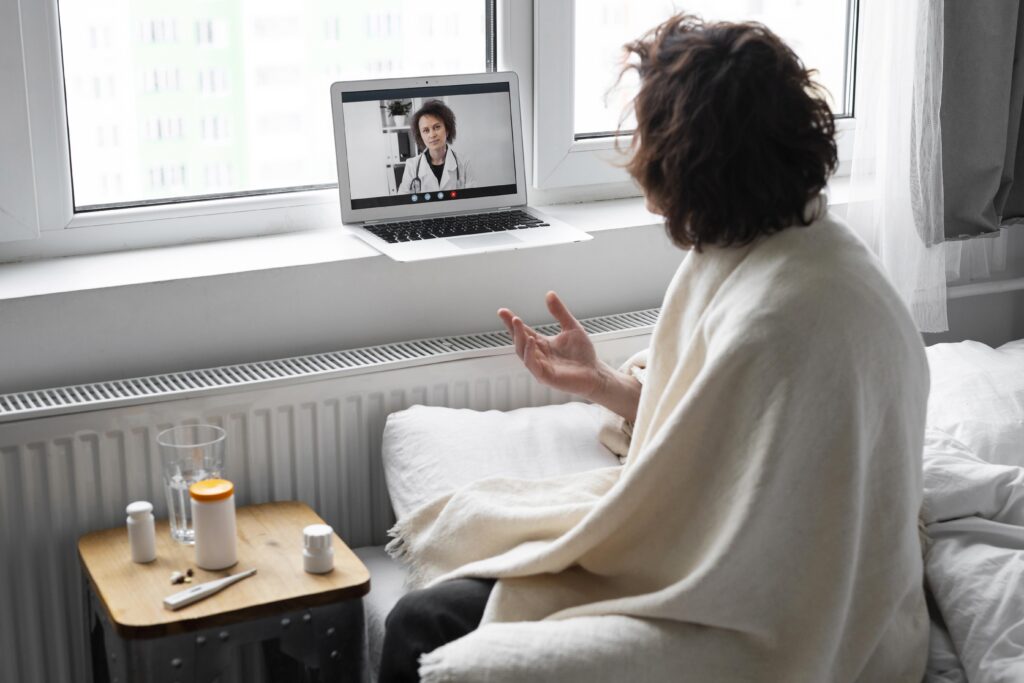
Remote therapeutic monitoring lets physical therapists track patient adherence and progress outside the clinic using digital tools. It’s a way to stay connected with patients between appointments and adjust treatment based on real data.
RTM differs from remote patient monitoring in an important way. Remote patient monitoring focuses on physiological data like blood pressure or oxygen saturation. However, RTM centers on musculoskeletal data and therapy engagement. This is about exercise completion rates and range of motion measurements, as well as the pain scores and functional performance, all of which are tied directly to a physical therapy plan of care.
CMS introduced remote therapeutic monitoring codes because they recognized how therapy works these days. Patients don’t stop being patients the moment they walk out of your clinic. Recovery happens at home, during exercises or through daily movements. RTM acknowledges that ongoing monitoring and treatment adjustments occur between visits, and these activities deserve reimbursement when done properly.
The American Physical Therapy Association has been clear about this distinction. RTM was explicitly designed for therapy adherence and therapeutic outcomes, not vital sign surveillance. It fills a gap that remote patient monitoring couldn’t address for rehab professionals.
RTM CPT Codes for Physical Therapists
RTM coding relies on a small set of CPT codes, but each one carries specific requirements. Getting the selection and documentation right shifts RTM from a compliance risk into a dependable revenue stream. Most claim denials trace back to mistakes in this area.CPT 98975 – Initial RTM Setup and Patient Education
This one from the list of remote therapeutic monitoring codes covers the initial setup of the RTM device or application and patient onboarding. It includes configuring the platform and educating the patient on how to use it, then making sure that they understand their role in the monitoring process. You bill this code once per episode of care. It’s not a recurring monthly charge. One of the most frequent denial triggers happens when clinics rebill 98975 for the same patient without justification for a new episode. Document the setup date and the education you provided. This documentation matters more than many clinics realize.CPT 98977 – RTM Device Supply (Musculoskeletal Data)
CPT 98977 is the primary remote therapeutic monitoring physical therapy. It applies specifically to musculoskeletal system monitoring and can be billed when the RTM platform collects data for at least 16 days within 30 days. This threshold holds great value. Billing without meeting this period is common and expensive. The data must be digitally collected and stored. It must also be retrievable on demand. This code doesn’t apply to respiratory or physiological monitoring. Those fall under separate RPM codes outlined by CMS.CPT 98980 – RTM Treatment Management (First 20 Minutes)
CPT 98980 captures the clinical work behind RTM. It covers reviewing RTM data and engaging in interactive communication with the patient, then making therapy-related decisions based on what the data reveals. You need 20 minutes of documented time per calendar month. That time must be therapy-specific and directly tied to patient interaction. Payers want to see how RTM data influenced treatment decisions, not just that you spent time looking at a dashboard. Medicare and many commercial payers allow physical therapists to bill remote therapeutic monitoring codes when policy requirements are met. Still, verify coverage before assuming reimbursement.CPT 98981 – RTM Treatment Management (Each Additional 20 Minutes)
CPT 98981 is an add-on code. You can only bill it alongside 98980. It represents each additional 20 minutes of RTM treatment management time within the same calendar month. Vague or duplicated time logs raise red flags during audits. Auditors look for distinct documentation showing additional patient engagement and clinical decision-making beyond the initial 20 minutes. Denials are more than likely without such clarity.RTM Billing Rules and Payer Guidelines
RTM rules differ across payers, but CMS principles form the baseline that most insurers follow. Compliance with them helps you in denial management in medical billing to build a compliant RTM program from the start.- RTM services must be medically necessary and tied to an active therapy plan of care. You can’t bill RTM just because a patient is using your app. The monitoring needs to serve a documented therapeutic purpose.
- Data must be digitally collected and stored. It must also be accessible for review. Paper logs or patient self-reports don’t qualify. The system needs to capture and retain data automatically.
- Billing is done per calendar month, not per visit.
- Interactive communication is required for remote therapeutic monitoring codes 98980 and 98981. This means direct engagement with the patient. Reviewing data silently in your office doesn’t count. The clinically relevant interaction should be documented with dates and times.
- Medicare permits RTM for certain therapy services, though commercial payer policies vary widely.

Documentation Requirements for RTM Claims
RTM documentation needs to be practical and defensible. When an auditor or payer reviews your claims, they should be able to follow your clinical reasoning without confusion. Your chart should include these core elements at a minimum.
- RTM care plan linked to diagnosis
- Proof of patient consent
- Device/app description
- Date range of data collection
- Evidence of 16-day data threshold for 98977
- Time logs for 98980/98981
- Notes showing how RTM data impacted treatment decisions
The most common gaps show up in missing time logs or a lack of evidence for patient interaction. Even generic notes copied from month to month are a pattern that is easy for payers to flag during audits and nearly impossible to defend after the fact.
Common RTM Billing Challenges for Physical Therapy Clinics
RTM claims get denied frequently, though not usually because the services were inappropriate. The problem is how they are represented on paper.
Confusing RTM with RPM remains a recurring issue, particularly when clinics use multi-purpose digital platforms that track both musculoskeletal and physiological data.
Billing remote therapeutic monitoring codes without documented interactive communication is another mistake. The conversation happened, but if it’s not in the chart, it didn’t happen as far as the payer is concerned. Clinics also struggle with inconsistent documentation from one month to the next and fail to verify payer-specific rules before submitting claims.
Best Practices for Successful RTM Coding and Reimbursement
- Verify RTM coverage with each payer before enrolling patients.
- Use RTM platforms that support compliant data tracking and reporting.
- Track data days and management minutes separately and accurately.
- Standardize RTM documentation templates across the clinic.
- Avoid rebilling setup codes within the same episode of care.
- Review payer policies at least quarterly.
- Audit documentation before claims are submitted.
These steps can make even pain management billing and anesthesia billing a profitable part of your practice.
How Park Medical Billing Supports RTM Coding for Physical Therapists
RTM billing is the intersection of clinical care and payer policy, and that’s where many practices run into trouble. Park Medical Billing supports remote therapeutic monitoring physical therapy practices by bringing structure to that complexity.
Our team understands PT-specific RTM CPT coding. We provide hands-on support with the selection of remote therapeutic monitoring codes and time validation, along with documentation review or compliant claim submission. When RTM claims do get questioned, we handle denial management and payer follow-ups. We know how to speak the language payers expect and what documentation they need to reverse a denial.
RTM services get integrated into your broader revenue cycle management strategy, which helps your clinic reduce administrative burden. All while improving reimbursement consistency.
Get in touch with our team to learn how we can support you with physical therapy billing services.
FAQs
Can physical therapists bill RTM codes directly?
Yes, physical therapists may bill RTM codes when payer policies allow, and documentation requirements are met. Medicare and many commercial payers recognize RTM as a therapy-appropriate service.
Do RTM codes require interactive communication?
Interactive communication is required for CPT 98980 and 98981. This communication must be documented and tied to clinical decision-making.
How many days of data are required for RTM billing?
CPT 98977 from remote therapeutic monitoring codes requires at least 16 days of data collection within 30 days.
Can RTM be billed alongside in-clinic PT visits?
Yes, RTM can be billed alongside in-clinic visits when payer rules permit and services are properly documented.
What happens if an RTM claim is denied?
Denied RTM claims can often be appealed with proper documentation and payer-specific justification.